

Applied Behavior Analysis Jobs Near Me: What to Look For (and What to Expect)
- Jan 23
- 4 min read
Updated: Jul 16
If you’ve been typing “applied behavior analysis jobs near me” into Google, you’re not alone. ABA is growing quickly, and with that growth comes a wide range of job postings that can look similar on the surface but feel very different day to day. This guide is here to help you understand what ABA jobs typically include, what questions to ask before you accept an offer, and how to find a role that fits your goals and your life.
What is an applied behavior analysis job?
Most applied behavior analysis jobs involve helping individuals build skills that improve daily life. In many settings, that means working with autistic children, teens, or adults on communication, social skills, learning readiness, adaptive skills (like dressing or hygiene), and reducing behaviors that interfere with safety or participation.
Common ABA roles include:
Registered Behavior Technician (RBT): provides direct therapy sessions, collects data, and follows a treatment plan.
Behavior Technician (BT): similar to an RBT, sometimes while working toward certification.
Board Certified Behavior Analyst (BCBA): designs treatment plans, supervises sessions, trains staff and caregivers, and adjusts plans based on data.
BCaBA / Assistant roles: supports the BCBA depending on credentialing and state rules.
Even when two jobs share the same title, the experience can vary a lot based on training, supervision quality, scheduling, and company culture.
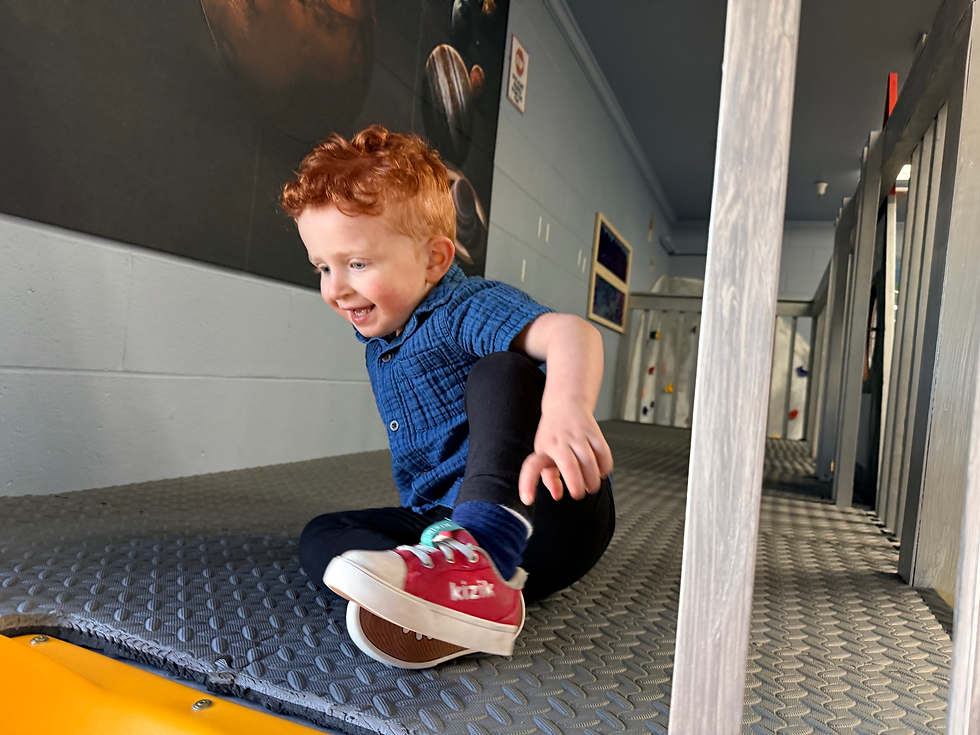
What ABA work actually looks like day to day
A typical day for an RBT or BT might include driving to a client’s home or arriving at a clinic, building rapport through play, running skill programs, supporting communication, and helping with routines like transitions, waiting, and following a schedule. You’ll also take data on goals and behaviors and communicate with supervisors and caregivers.
For behavior analysts, a typical day might include reviewing data trends, updating goals, observing sessions, modeling interventions, meeting with families, training staff, and coordinating with schools or other providers.
ABA is hands-on. It’s active. It’s also relationship-driven. The strongest ABA professionals are not robots with clipboards, they’re calm, consistent people who can teach skills while staying respectful and supportive.
The most important thing to look for when searching “applied behavior analysis jobs near me”
The biggest difference between a good ABA job and a miserable one usually comes down to support.
Before accepting a position, look for a company that offers:
Strong onboarding and ongoing training
Consistent supervision (especially if you’re an RBT or new to the field)
A realistic schedule (not just “we’ll fill your hours”)
Clear expectations for cancellations, documentation, and communication
A culture that values dignity and respect for clients
When supervision is solid, you learn faster, feel less stressed, and provide better care. When supervision is weak, you’re left to guess, and burnout happens fast.

Questions to ask in an ABA interview
If you want to quickly spot a high-quality ABA employer, ask a few practical questions:
How often will I be supervised, and what does supervision look like?
What does training include in the first 30 days?
How do you handle client cancellations and schedule gaps?
What support do I get if I’m struggling with a challenging behavior?
Who do I contact when I need help during a session?
What does growth look like here (RBT to lead RBT, RBT to BCBA track, etc.)?
These questions are not “being picky.” They’re how you protect your time, your mental health, and the quality of care you’ll deliver.
Why people choose ABA as a career
Many people enter ABA because they want meaningful work and a clear career path. ABA can be a great fit if you like:
Working one-on-one with people
Seeing progress over time
Learning practical behavior and communication strategies
Being part of a clinical team
Having options for advancement (RBT, BCaBA, BCBA, clinical leadership)
It can also be a strong stepping stone for careers in psychology, education, special education, speech therapy, occupational therapy, or clinical leadership.
A note about job fit: clinics, in-home, schools, and adults
When searching “applied behavior analysis jobs near me,” pay attention to the setting. Each has a different rhythm:
In-home work can be flexible and personal, but it involves travel and working closely with families. Clinic work can offer more structure, peer support, and consistent materials. School-based work follows a school calendar and often involves teamwork with educators. Adult services can be especially meaningful and practical, focusing on independence, life skills, community participation, and quality of life.
There is no one “best” setting, only what fits you right now.
Applied behavior analysis jobs near me at Nova Supports
Nova Supports provides ABA services in Utah and hires across a range of ABA roles. We serve children, teens, and adults, and we focus on practical therapy that helps families in real life. Our team is built around training, support, and a culture that takes both clinical quality and staff wellbeing seriously.
If you’re looking for applied behavior analysis jobs near me - In Utah of course- and want a workplace where you can grow, be supported, and do work that matters, we’d love to meet you.
Explore open positions and apply today.


Comments